
Needle Stick: What to Do Next
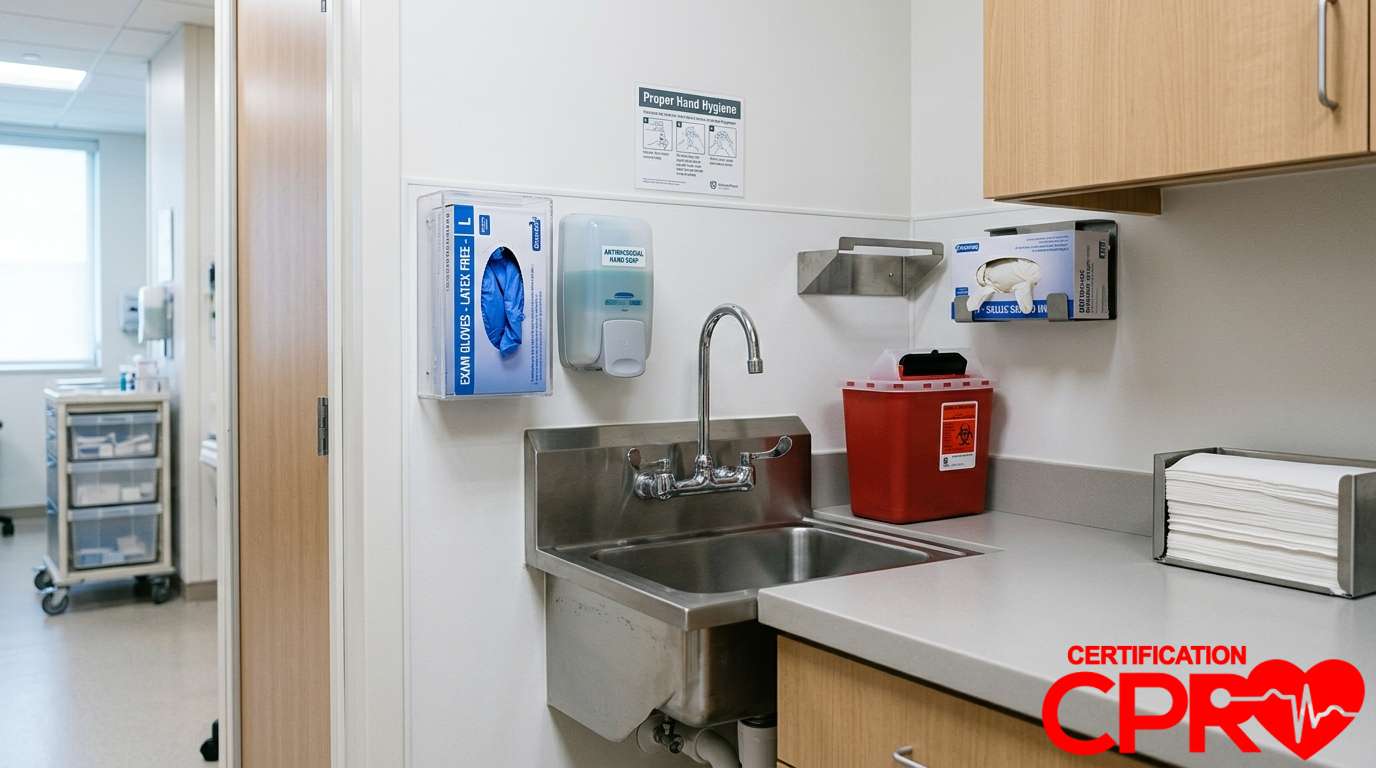
A needlestick injury needs a fast, orderly response because the medical clock starts at the moment of exposure. Washing the wound, reporting the incident, and getting evaluated belong in the first sequence, and the sooner that sequence starts, the better the worker’s options are for testing, documentation, and post-exposure care.
Needlestick injuries remain one of the common occupational exposures in healthcare. Many go unreported because the puncture looks small, the source patient seems low risk, or the worker does not want the paperwork. That hesitation is the part that creates danger. A small puncture can still need evaluation, and delayed reporting can leave the medical team with fewer options.
In Lakeland, a needlestick can happen in more than one kind of workplace: a clinic room, dental office, lab, school health setting, body-art studio, or healthcare support role. The response needs to be calm and prompt because the first actions are about protecting the worker and getting the right follow-up started.
The response is simple, but it has to happen in order. Clean the exposure, report it, get evaluated, and follow the instructions from occupational health or the clinician reviewing the incident.
Upcoming CPR Class Dates and Times
What Counts as a Needlestick Injury
A needlestick injury is any puncture of the skin by a needle or sharp object that has been in contact with blood or other potentially infectious materials. That includes hollow-bore needles used for IV placement or blood draws, suture needles, lancets, scalpels, and contaminated sharps. The puncture does not need to bleed heavily to matter. If the skin is broken, the exposure should be reported and evaluated.
Sharps injuries are not limited to needles. A scalpel blade, broken specimen tube, or contaminated sharp that penetrates the skin belongs in the same reporting pathway. Blood or body fluid splashes to the eyes, nose, mouth, or other mucous membranes also need prompt reporting and evaluation, even though the first cleaning step is flushing rather than washing a puncture wound.
Do not minimize an exposure because the source patient “seems healthy” or because the injury was shallow. The risk assessment is not yours to make on the spot. That assessment belongs to occupational health, who will gather the relevant information about both the source patient and the injured worker to determine what follow-up is needed.
What to Do Right Away
Wash a puncture wound immediately with soap and running water for several minutes. A quick rinse is not enough. If the exposure involves the eyes, nose, mouth, or another mucous membrane, flush the area with water or saline. Use an eye wash station if one is nearby.
Do not squeeze the wound to make it bleed more. There is a persistent belief that squeezing out blood after a needlestick reduces transmission risk by expelling the inoculated material. The evidence does not support this, and it may increase tissue damage and local inflammation without benefit. Wash, flush, and move to the next step.
Do not apply bleach, antiseptics, or caustic agents directly to a needlestick wound. Plain soap and water is the recommended immediate treatment. Once the wound is washed, the priority shifts immediately to reporting and evaluation, not to continued wound management at the scene.
Why Fast Reporting Matters
Fast reporting matters because some exposure decisions are time-sensitive. A needlestick at 10 p.m. should not wait until the morning shift, and an exposure over a holiday weekend should not sit until the next business day. The worker does not need to decide alone whether the exposure is high risk. The safer move is to report promptly and let the proper medical contact review the details.
Reporting also matters for hepatitis B and hepatitis C. Vaccination history, source information, and the type of injury can all affect what the evaluating clinician wants to do next. Waiting because the incident happened at an inconvenient time makes it harder for the workplace and medical team to respond cleanly.
The culture around reporting matters too. A new employee may worry about looking careless, and an experienced worker may feel embarrassed because they have handled sharps for years. A good workplace treats a needlestick report as a safety response, not a personal confession. The report helps the worker get evaluated and helps the facility see whether a device, disposal location, handoff, or rushed workflow needs attention.
Reporting starts a documentation chain that protects the worker as well. An occupational exposure that is documented immediately becomes part of the worker’s medical record and creates a clear timeline for follow-up testing. An exposure that goes unreported and is only disclosed weeks later, when symptoms prompt concern, creates a situation where the testing timeline is unclear, the source patient may no longer be accessible for testing, and the question of whether infection occurred occupationally or through another route is harder to establish.
What Medical Follow-Up May Involve
The initial occupational health evaluation after a needlestick usually starts with facts about the incident: which body part was exposed, how deep the injury was, what device was involved, whether blood was visible, and what source information is available. Those details help the medical team decide what testing, medication, counseling, or follow-up is appropriate.
The worker should ask practical questions during that evaluation: who gives the next instruction, where follow-up happens, what symptoms or concerns should be reported, and how to document the incident for the workplace file. A real plan matters more than a rushed note at the end of a shift.
Follow-up may continue after the initial evaluation. The exact sequence should come from the occupational health team or clinician handling the exposure. Workers should keep those follow-up instructions because some infection concerns are not answered completely in the first hour after the injury.
Bring the details you remember rather than trying to diagnose the exposure yourself. The device, task, body part, glove use, visible blood, and source information all help the medical team make a better decision. If you are unsure about a detail, say so plainly. A careful report is more useful than a confident guess.
How Needlestick Injuries Are Prevented
Engineering controls are the first line of prevention. Safety-engineered needles with retractable or sheathing mechanisms can reduce needlestick risk compared to conventional needles. Proper sharps disposal, dropping used needles directly into a puncture-resistant sharps container without recapping, removes many of the extra handling moments where workers usually get stuck.
Work practice controls reduce exposure risk during the task itself. Sharps should pass through a neutral zone rather than hand-to-hand, used needles should not be recapped with two hands, and sharps containers should stay close enough that the used item travels the shortest possible distance. Those habits reduce injuries because they remove the extra handling moments where workers usually get stuck.
Training is the layer that ties the other controls together. A worker who understands the transmission risk, the post-exposure protocol, and the importance of immediate reporting is more likely to follow safe practices consistently and to respond effectively when an injury does occur. Our onsite bloodborne pathogens training covers all of these components in a format that works for clinical teams and non-clinical staff alike.